
Strength Training and Perimenopause: What Your Body Really Needs
Thank you to Megan Jimmo, personal trainer and women’s exercise specialist, for writing this fantastic blog about perimenopause and strength training for The School Mum Edit. Our founder, Laura, has been having personal training sessions with Megan at David Lloyd in Bicester.
“ I really didn’t know what to do in the gym. I knew I wanted to feel stronger, but the gym just felt so intimidating! Luckily, I found Megan. She was so knowledgeable about what exercises I need for my body in my 40s. She created a great training programme that I can follow on my own at the gym. I feel so much more confident now in the gym, and really enjoy my sessions with Megan” Laura
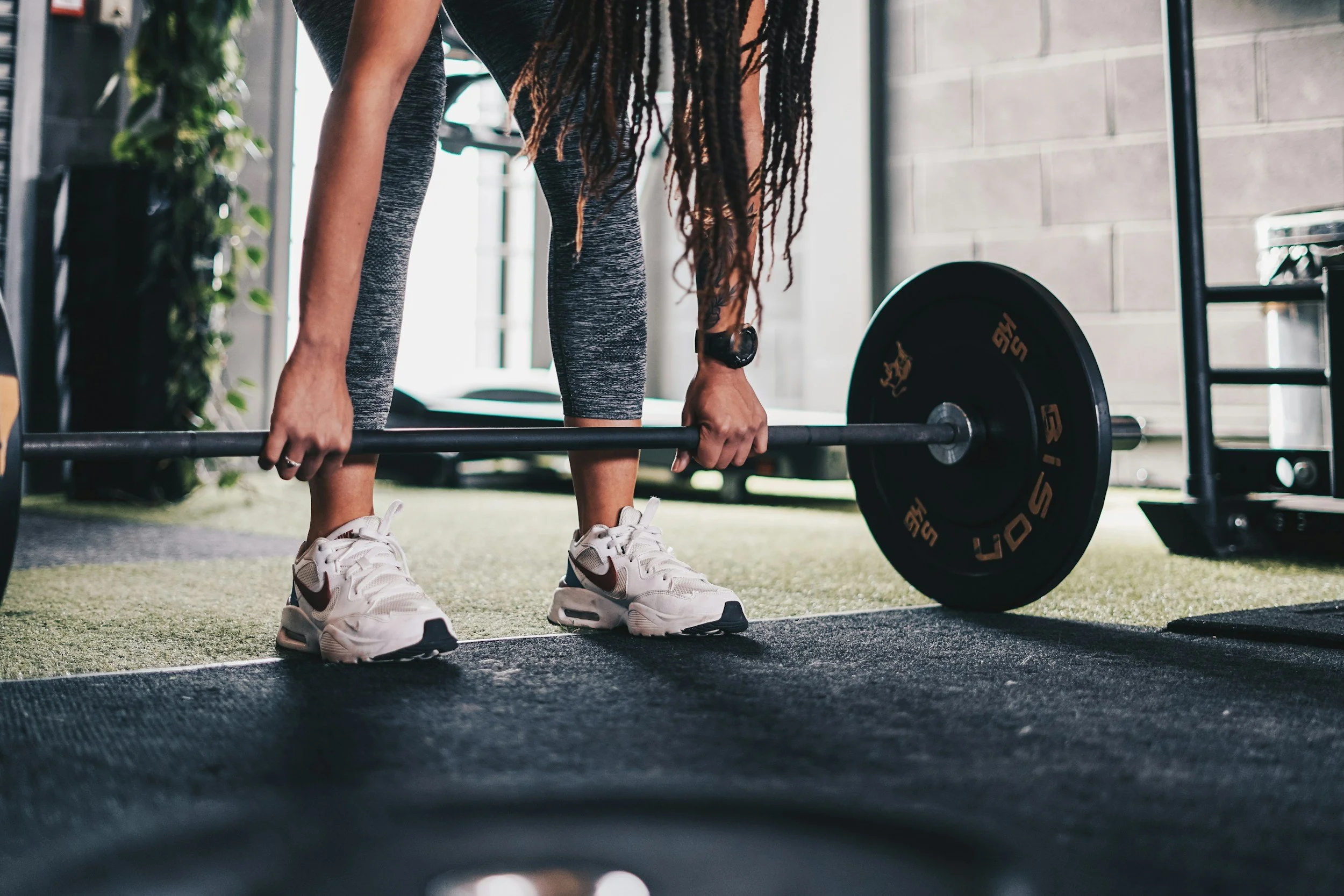
Perimenopause: What Your Body Really Needs
Perimenopause and menopause are natural stages of life, but they often bring unexpected changes that can feel frustrating and confusing. Understanding what’s happening in your body and how to support it can make a huge difference.
What Are Perimenopause and Menopause?
Perimenopause is the transition phase leading up to menopause. During this time, you may still have periods but begin experiencing symptoms such as hot flashes, mood swings, poor sleep, brain fog, and changes in body composition. This phase typically begins in your mid-40s, though it can start earlier, and may last several years. Menopause is officially defined as the point when you haven’t had a period for 12 consecutive months. At this stage, the ovaries stop releasing eggs, and pregnancy is no longer possible. It usually occurs between ages 45 and 55, with symptoms similar to perimenopause.
What’s Happening in Your Body?
These stages are driven by hormonal changes. As part of the natural aging process, the ovaries gradually produce less oestrogen and progesterone—two hormones that regulate the menstrual cycle but also influence many other systems in the body. During perimenopause, ovulation becomes irregular, leading to lower progesterone levels while oestrogen fluctuates unpredictably. Over time, both hormones decline. Because these hormones affect everything from mood to metabolism to muscle mass, it’s common to feel like your body is “out of sync.” In many ways, this phase mirrors puberty but in reverse.
Why Exercise Matters
While hormone replacement therapy is one option, exercise offers a powerful, natural way to support your body during this transition. Exercise acts as a positive stressor. When you challenge your body, it adapts—helping to counteract some of the effects of hormonal decline.
Regular training can:
Preserve and build muscle mass
Support bone density
Improve mood and mental clarity
Stabilise blood sugar and energy levels
These benefits are especially important during perimenopause, when body composition changes tend to accelerate due to declining oestrogen levels.
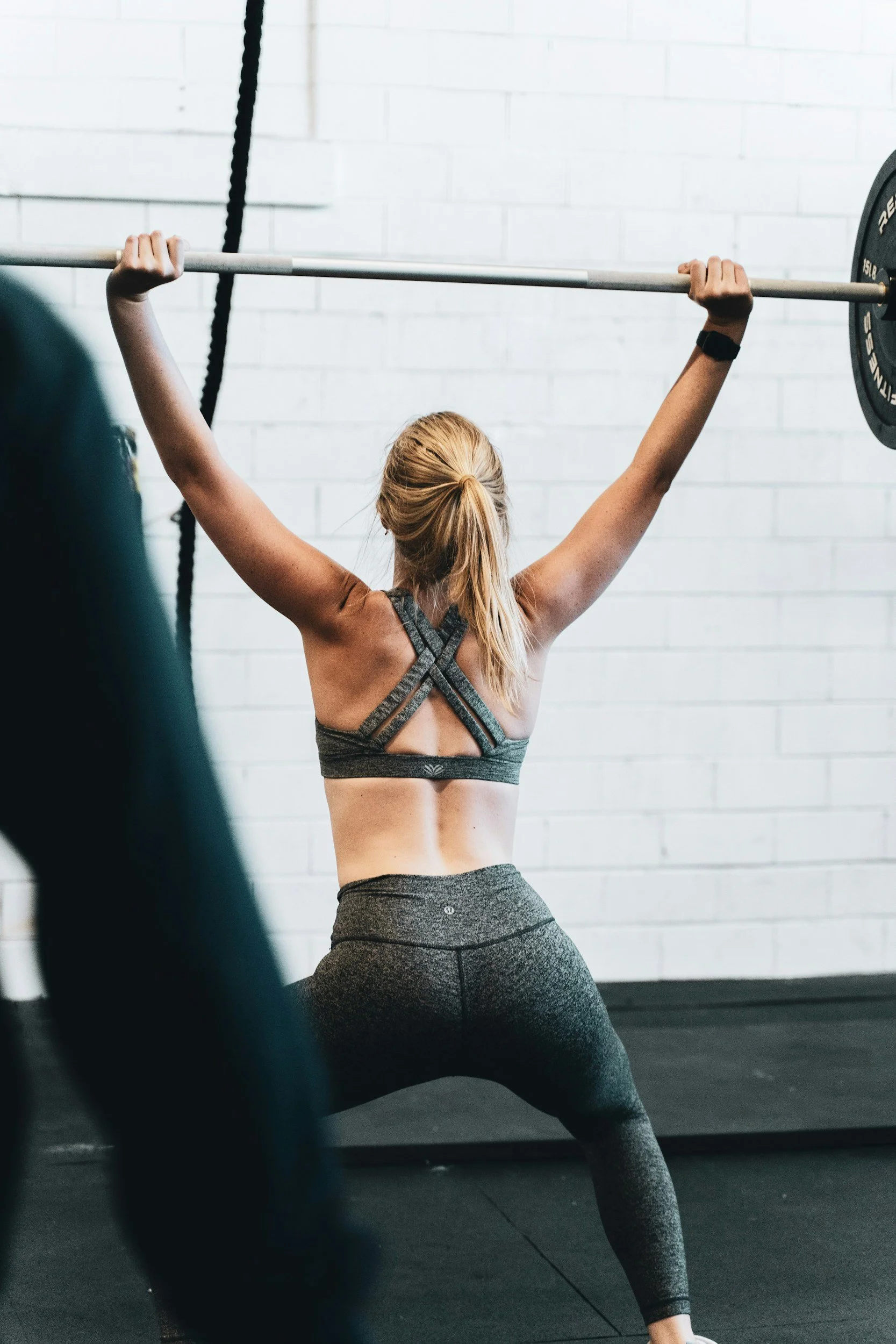
The Case for Strength Training
Of all forms of exercise, strength training stands out as one of the most effective during this stage of life. Oestrogen plays a key role in maintaining muscle mass, much like testosterone does in men. As oestrogen declines, muscle naturally decreases—but strength training can step in to fill that gap.
By lifting weights, you create a stimulus that tells your body to build and maintain muscle. This happens through your nervous system, which recruits muscle fibres to meet the demands of the exercise. Over time, this leads to increased strength, improved muscle tone, and better overall function.
Strength training also supports:
Bone health, reducing the risk of osteoporosis
Glucose control, helping manage blood sugar
Joint stability and mobility
Long-term independence and quality of life
Getting Started (and Letting Go of Myths)
If lifting weights feels intimidating, you’re not alone but it doesn’t have to be. Start with the basics: focus on fundamental movement patterns like squats, hinges, pushes, and pulls. Build good technique first, then gradually increase resistance over time. The goal is to challenge yourself safely, working toward a point where your muscles feel fatigued by the end of a set, while maintaining proper form. And no you won’t “bulk up.” Building large amounts of muscle requires very specifi conditions that are unlikely in this phase of life. What you will gain is strength, confidence, and resilience. If you need support, consider working with a coach, joining a class, or using a structured program at home.
The Bottom Line
Perimenopause and menopause are not a time to step back—they’re a time to adapt and invest in your long-term health. Strength training is one of the most effective tools you have to navigate this transition. It helps you maintain muscle, protect your bones, support your mental health, and feel stronger in your body. This isn’t just about exercise, it’s about building a lifestyle that supports you for years to come.
If you would like to find out more about how Megan could help you with your training, you can get in touch with her via her Instagram channel @meganjimmo or at David Lloyd in Bicester.